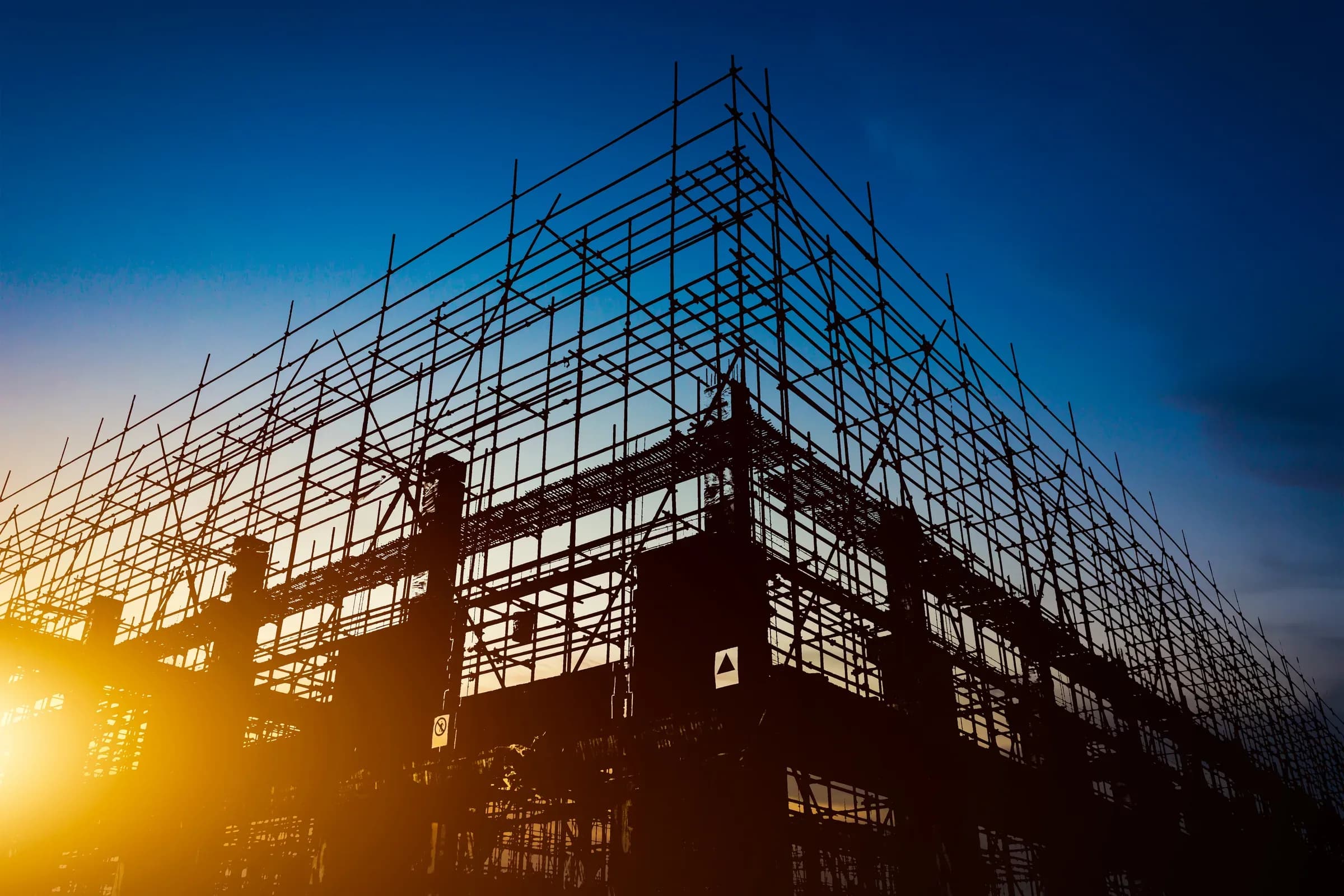
Jacksonville Regional Transportation Center (JRTC)
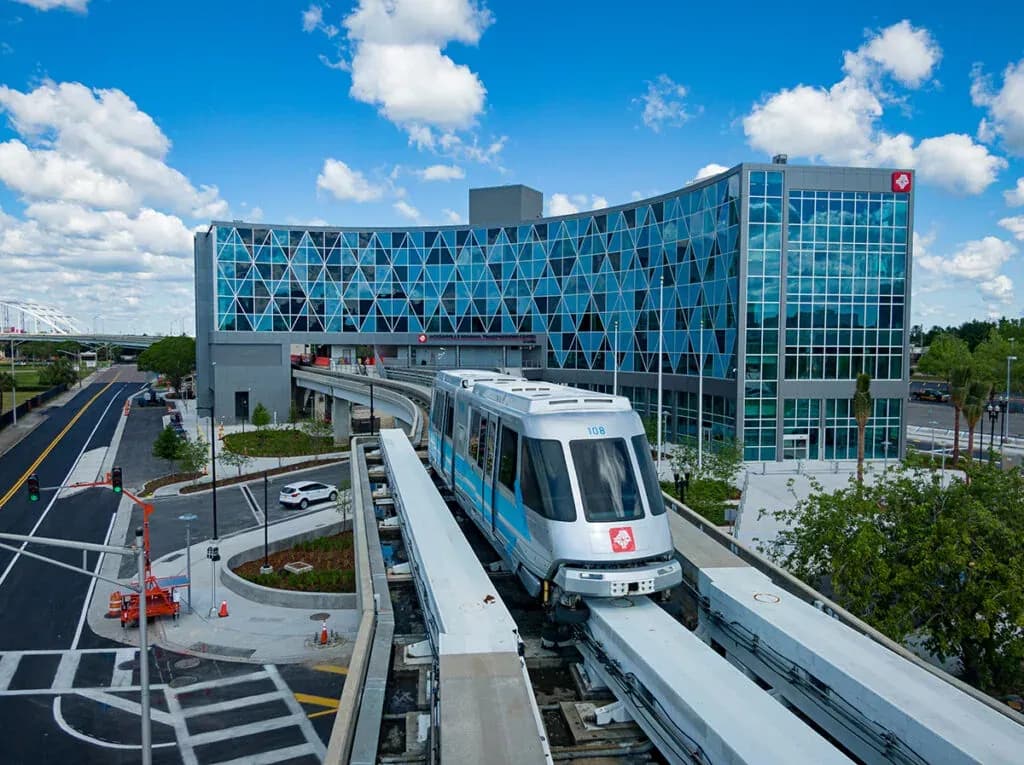
The Jacksonville Regional Transportation Center (JRTC) represents one of the most ambitious infrastructure investments in Northeast Florida. Designed to serve as a central hub for regional mobility, the project brings together local transit, intercity travel, and future autonomous systems into a single, connected downtown destination.
But projects like JRTC aren't just about what gets built—they're about what has to keep working while construction is happening.
In the middle of downtown Jacksonville, where traffic, transit routes, and pedestrian movement never stop, construction couldn't come at the expense of mobility. Every lane closure, every detour, and every phase of work had to be carefully planned to avoid disrupting the daily rhythm of the city.
That's where STEARZ came in.
Enabling Construction Without Disruption
STEARZ supported the project through Temporary Traffic Control (TTC) planning and coordination—an essential layer of infrastructure that often goes unseen but determines whether a project runs smoothly or spirals into delays and public frustration.
From the outset, our role was clear: help create a construction environment that is safe, efficient, and minimally disruptive.
We worked alongside project teams and stakeholders to develop traffic control strategies that aligned with construction phasing while maintaining consistent traffic flow. This included designing lane closure plans, establishing safe work zones, and coordinating detour routes that made sense not just on paper, but in real-world conditions.
In a dense urban setting like downtown Jacksonville, there's no room for guesswork. Every decision impacts commuters, businesses, transit schedules, and emergency access. Our approach focused on clarity, predictability, and adaptability—ensuring that traffic patterns remained understandable and manageable throughout each stage of construction.
Coordinating Complexity in Real Time
Temporary Traffic Control is not a one-time plan—it's a living system that evolves as construction progresses.
STEARZ played a key role in ongoing coordination between contractors, agencies, and project stakeholders to ensure traffic control measures stayed aligned with shifting project demands. As construction phases advanced, traffic patterns were adjusted, refined, and communicated to maintain safety and efficiency.
This level of coordination helped prevent conflicts, reduce delays, and keep the project moving forward without unnecessary friction.
Prioritizing Safety for Workers and the Public
At its core, TTC is about safety.
Our work ensured that construction crews could operate within clearly defined, protected zones, while drivers and pedestrians were guided safely through and around active work areas. Through thoughtful planning of signage, channelization, and traffic flow, we helped reduce confusion and minimize risk in a high-traffic environment.
In projects like JRTC, safety isn't just a requirement—it's the foundation everything else depends on.
Supporting the Bigger Vision
The JRTC project is about more than infrastructure—it's about transforming how people move through Jacksonville and how the city grows in the years ahead.
By helping maintain mobility during construction, STEARZ supported that vision in a practical, immediate way. We ensured that progress didn't come at the cost of accessibility, and that the city could continue functioning while it was being reshaped.
The STEARZ Approach
Our work on JRTC reflects a simple philosophy:
The best infrastructure projects don't just get built—they integrate seamlessly into the lives of the people around them, even during construction.
Through strategic planning, real-time coordination, and a focus on safety and efficiency, STEARZ helped make that possible in Jacksonville.